Medical articles by Dr Nathalie Gozlan
Clear, reliable articles on common general-medicine conditions, to help you understand your symptoms and know when to see a doctor.
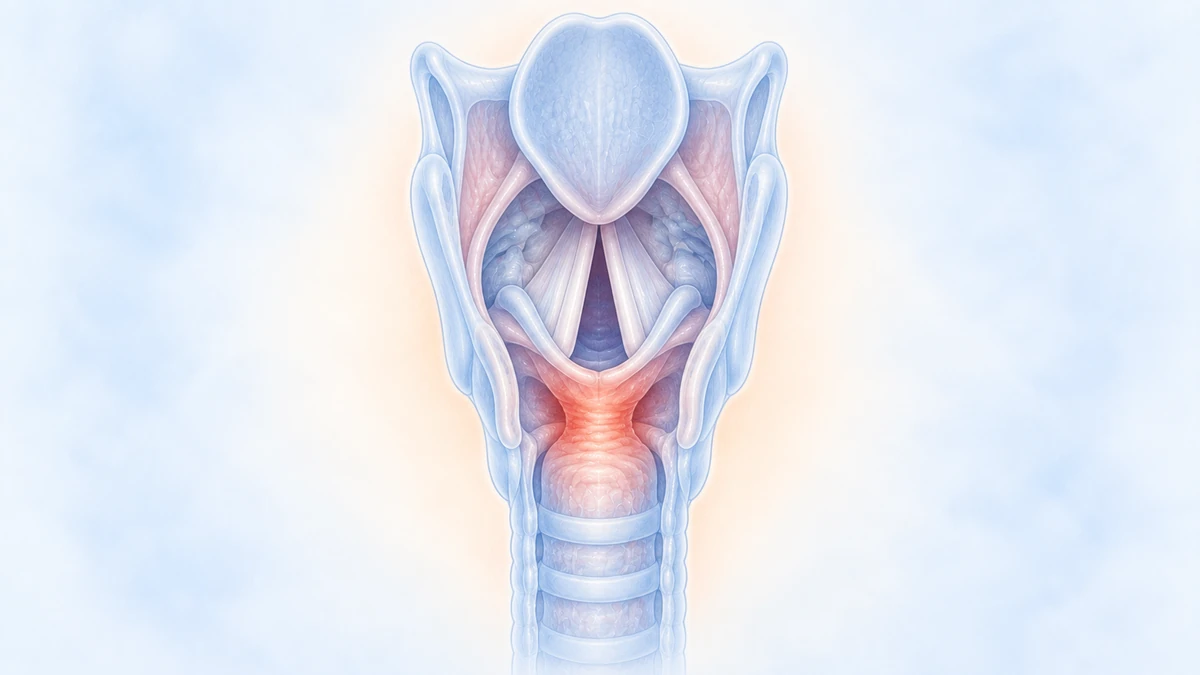 Croup in children: recognising the barking cough and knowing when to call 101A barking cough at night, a hoarse voice, a harsh noise when breathing in: croup is common in children aged 6 months to 6 years. How to calm an attack, what treatment helps, and which signs mean you should call 101.Read the article →
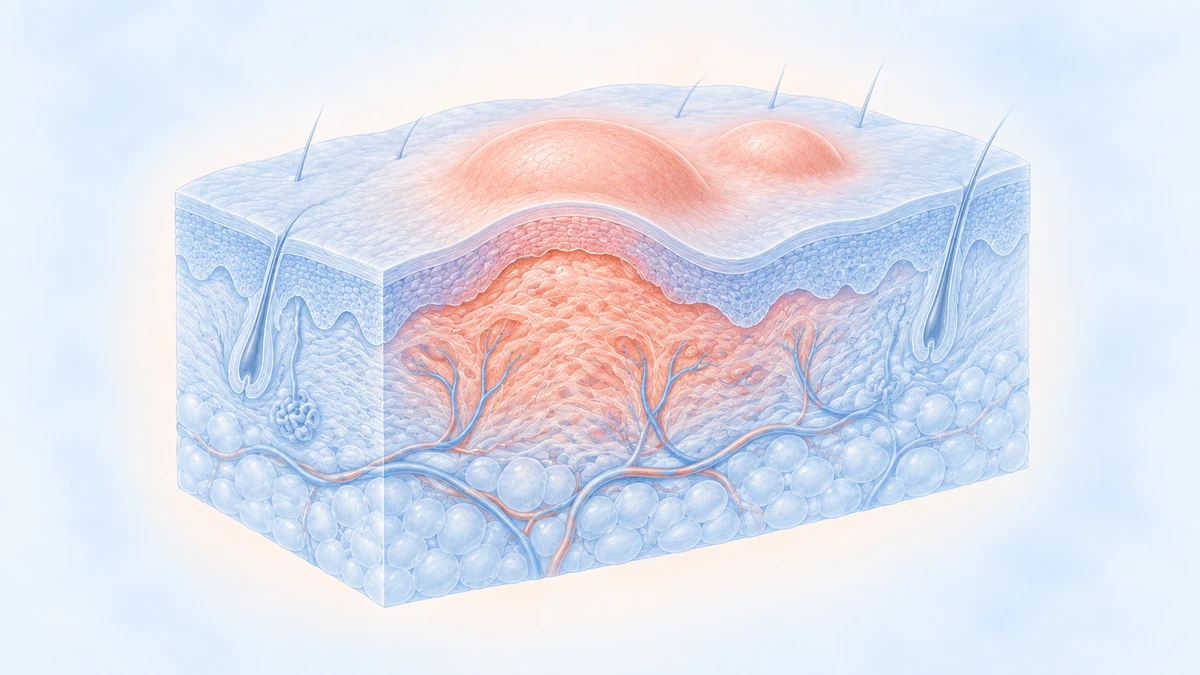 Hives: recognising itchy welts and knowing when to see a doctorRaised red welts that itch and move from place to place: hives are very common, in children as well as adults. What causes them, how they are treated, and the signs of a serious allergic reaction that mean you should call 101.Read the article →
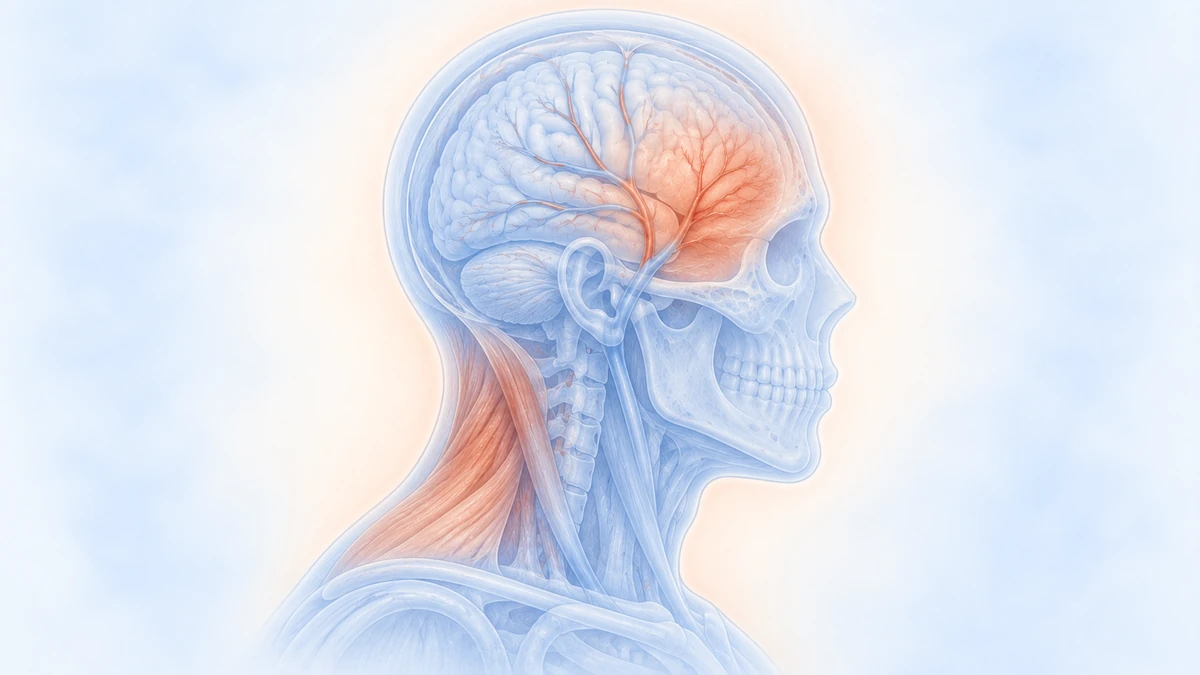 Headaches and Migraine: Recognising the Warning Signs and Finding ReliefHeadache, migraine: most headaches are harmless and respond well to treatment. A few signs, however, mean you should call 101 straight away. How to recognise them, ease an attack and keep headaches from becoming a regular problem.Read the article →
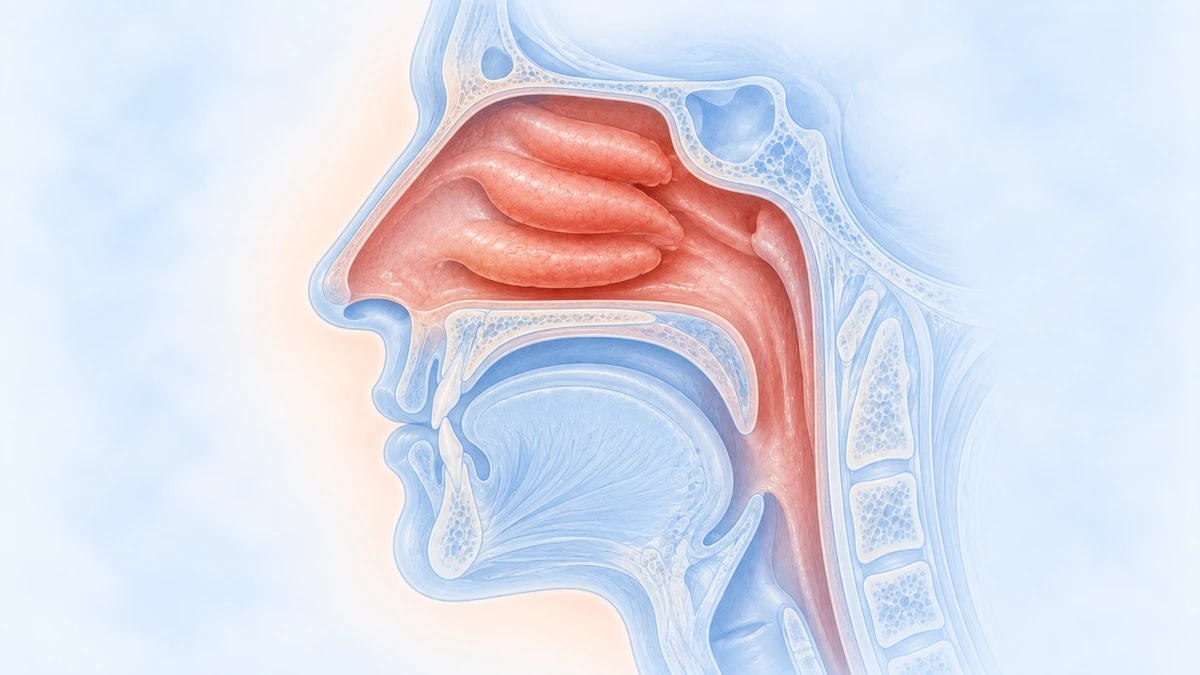 The common cold: easing it, waiting it out and knowing when to see a doctorRunny nose, scratchy throat, sneezing: the common cold is the most frequent infection, in adults and children alike. How long it lasts, what really helps, what is pointless, and the signs that mean you should see a doctor.Read the article →
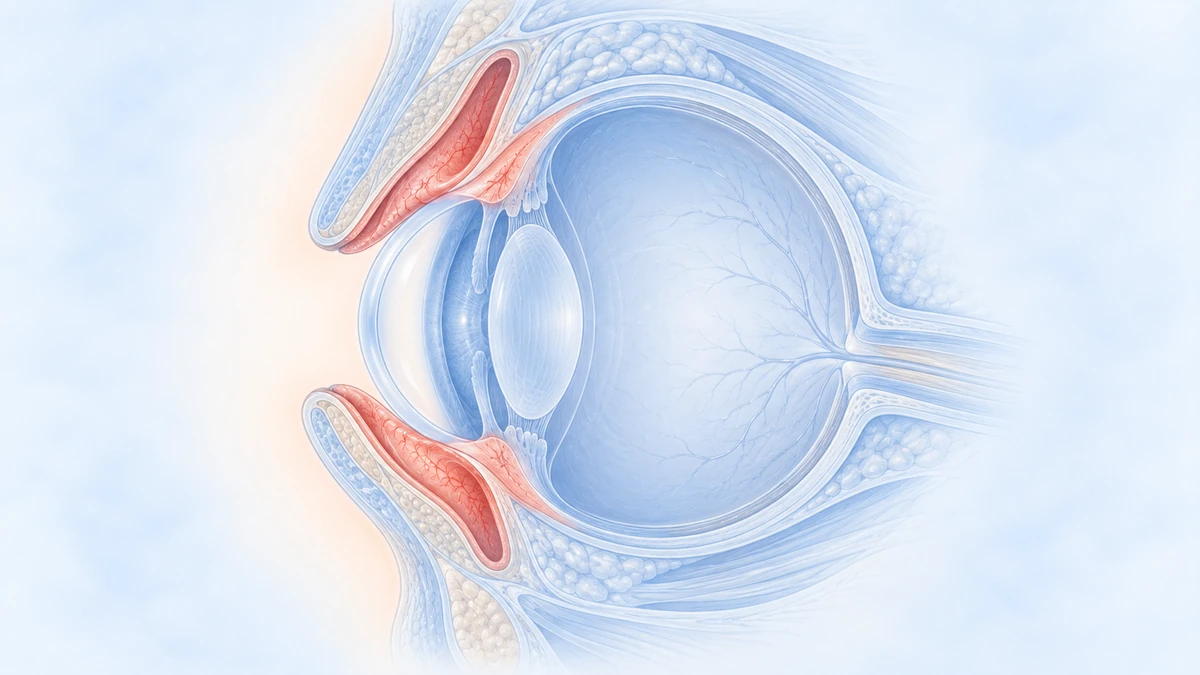 Conjunctivitis (Pink Eye): Recognising a Harmless Red Eye and Knowing When to See a DoctorA red eye that waters or is stuck shut in the morning: conjunctivitis, or pink eye, is usually harmless. Viral, bacterial or allergic: how to tell them apart, limit the spread at home and at daycare, and which signs need urgent advice.Read the article →
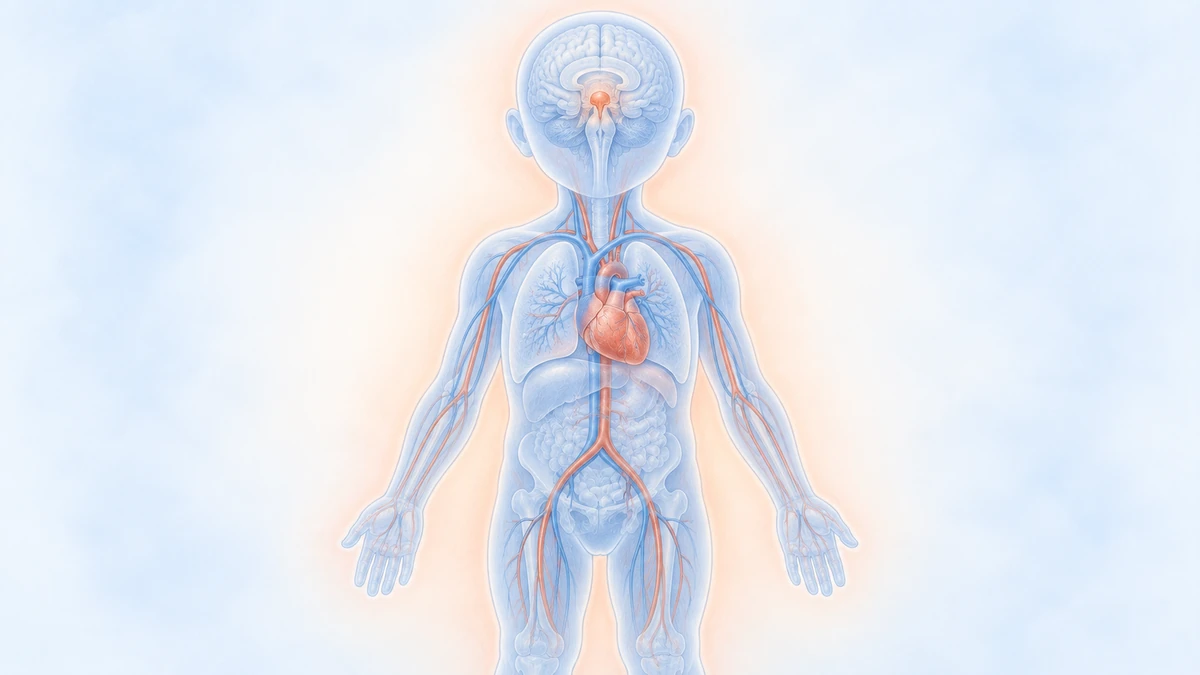 Fever in Children: How to Monitor It and When to See a DoctorFever in children and babies is one of the things parents worry about most. Most of the time it comes with a harmless viral infection. How to measure it, how to make your child comfortable, and which signs mean you should see a doctor or call 101.Read the article →
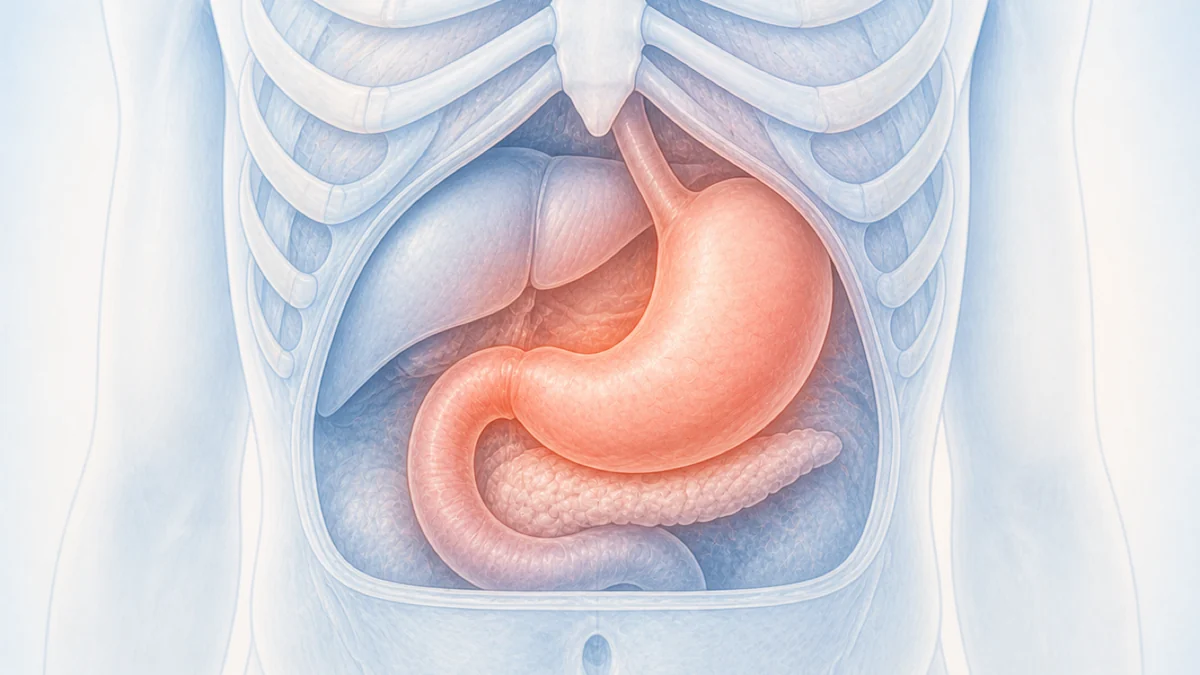 Stomach pain and upper abdominal pain: understanding it and knowing when to see a doctorStomach pain, felt in the pit of the stomach, is one of the most common reasons to see a doctor — and one of the most misleading: a heart attack can hide behind “indigestion”. The common causes, the warning signs, and when to seek medical advice.Read the article →
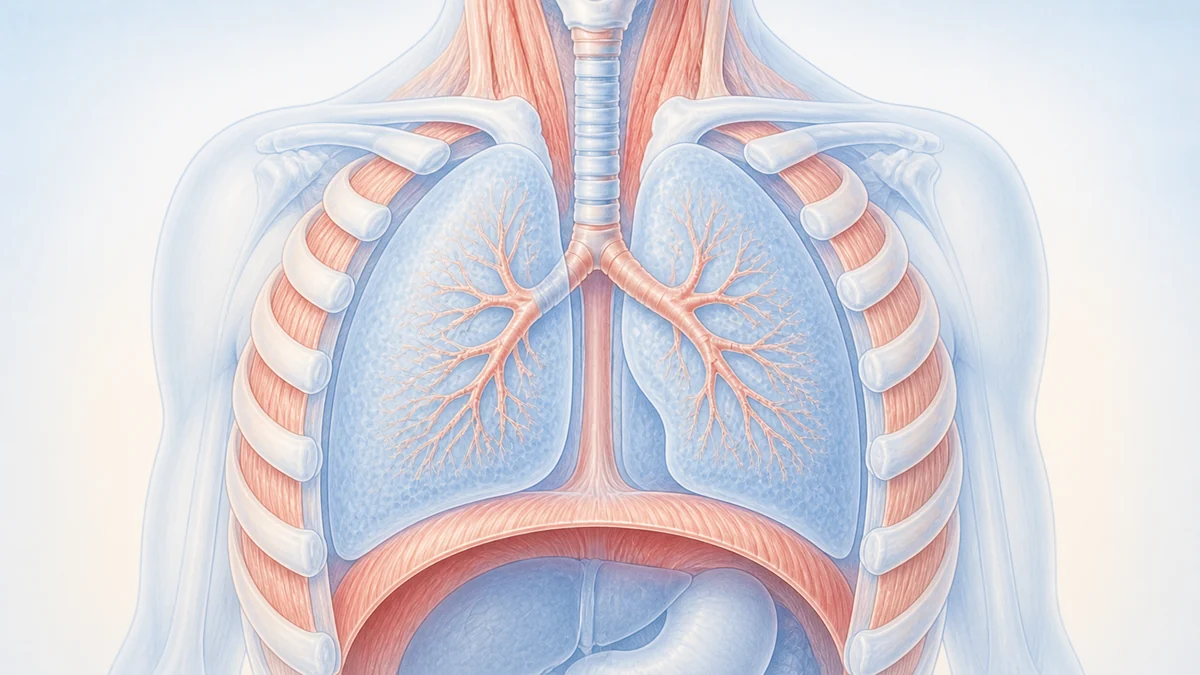 Shortness of breath: recognising what is urgent and what needs investigatingStruggling for breath is one of the most frightening symptoms there is. Some kinds of breathlessness mean calling the emergency services within the minute; others build up slowly and deserve proper investigation. Here is how to tell the difference.Read the article →
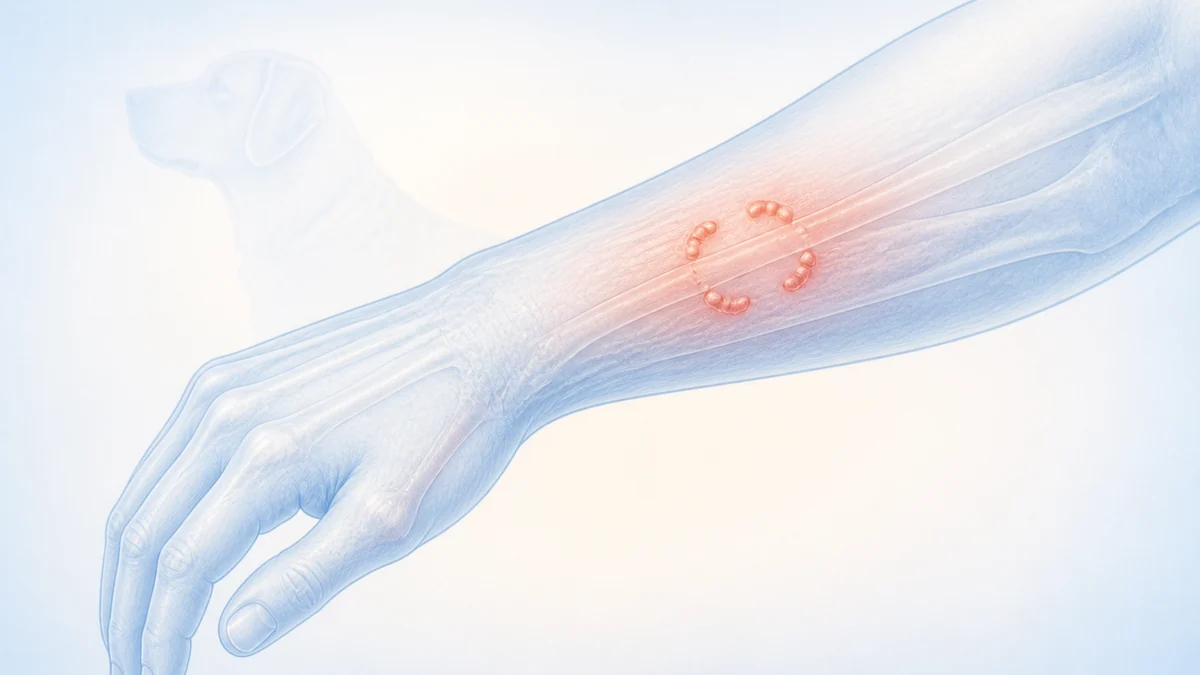 Dog bites: the steps that count and the risks you should not ignoreA dog bite often looks minor — and that is precisely the trap: the danger is not the wound itself, but infection, tetanus and rabies. The steps to take in the first minutes, the mandatory report to the veterinary services in Israel, and when to see a doctor.Read the article →
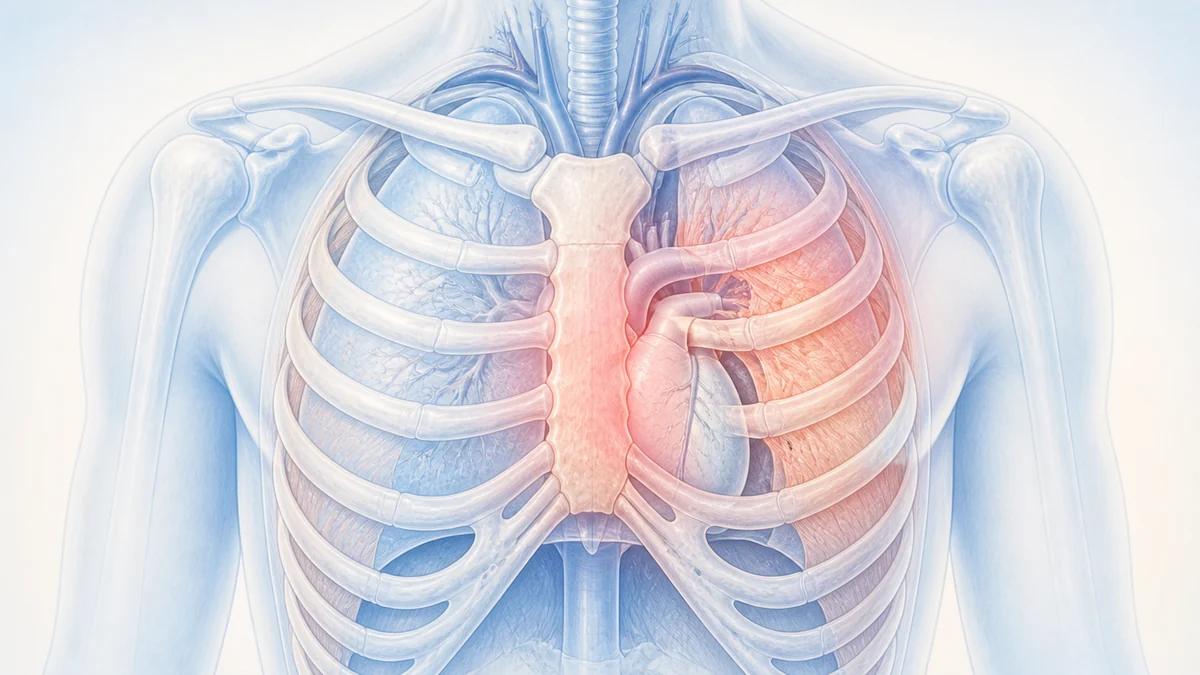 Chest pain: when you must call for help, and what can waitNot every chest pain is a heart attack, but none should be taken lightly. The signs that mean you must call 101 (Magen David Adom) immediately, the most common causes that are not serious, and what deserves a doctor's appointment the same day.Read the article →
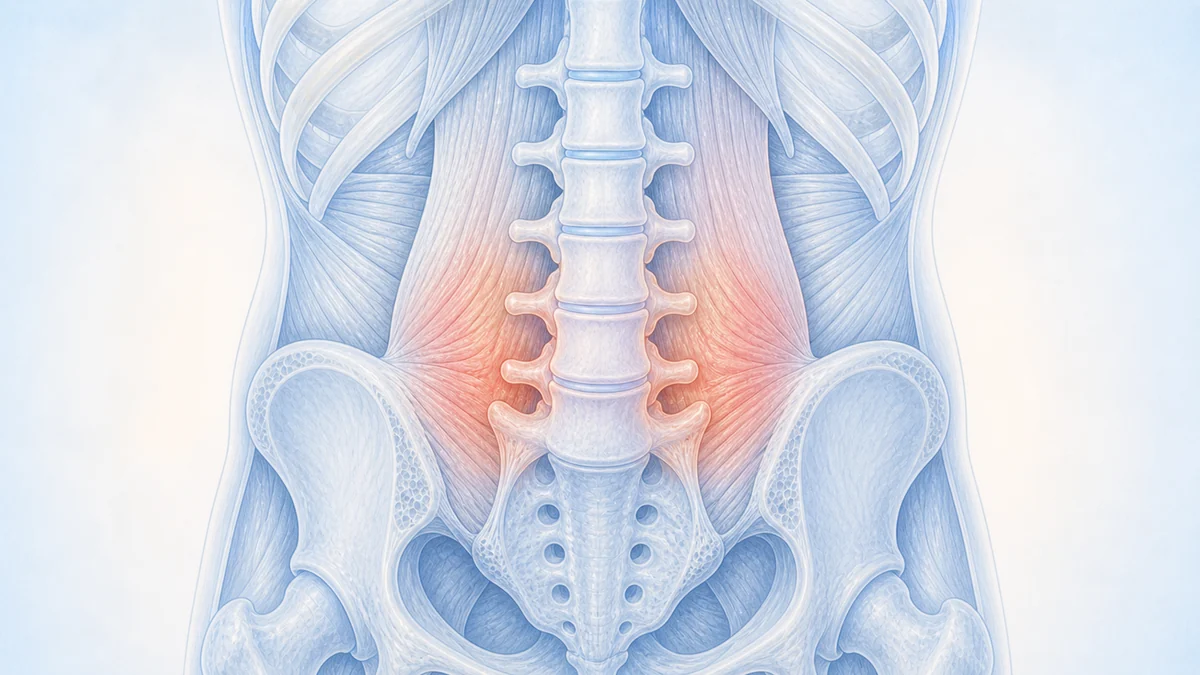 Back pain: understanding low back pain and knowing when to see a doctorOne awkward movement, and the lower back seizes up. Low back pain is the leading cause of sick leave — and yet, in nine cases out of ten, it gets better on its own. What genuinely helps, what slows recovery down, and the signs that call for medical advice.Read the article →
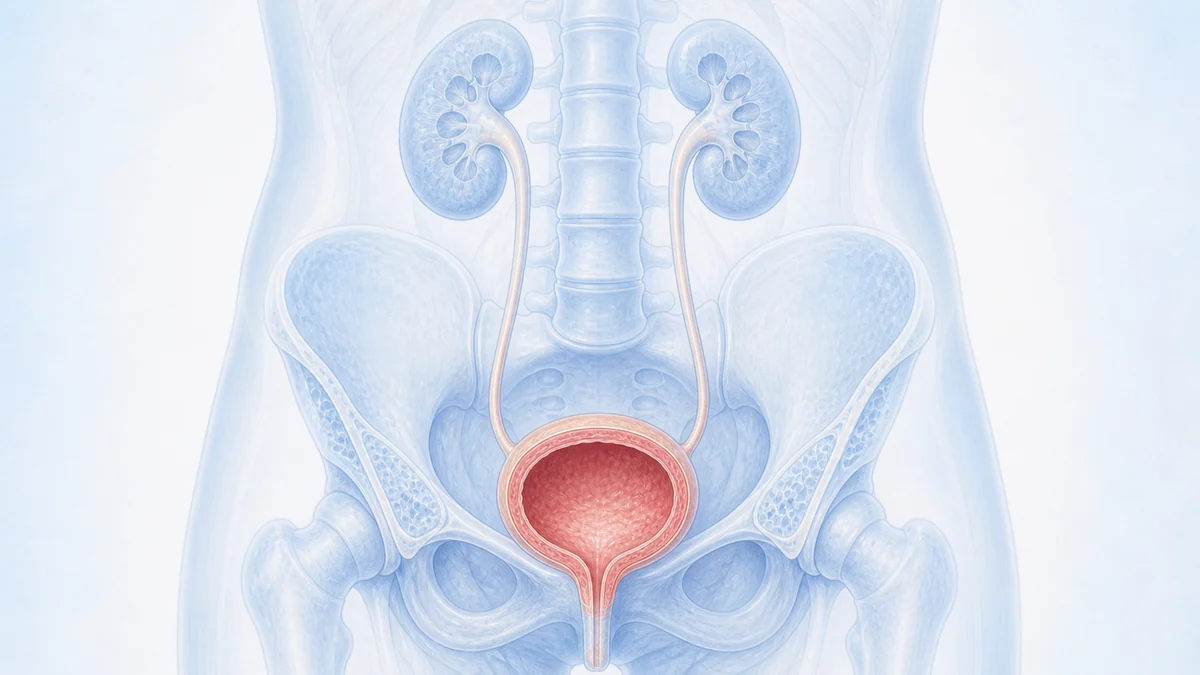 Cystitis: recognising a urinary tract infection and knowing when to see a doctorBurning when you urinate, a constant and urgent need to go: cystitis is one of the most common infections in women. How to recognise it, when it is simple to treat, and which signs mean you should be seen without delay.Read the article →
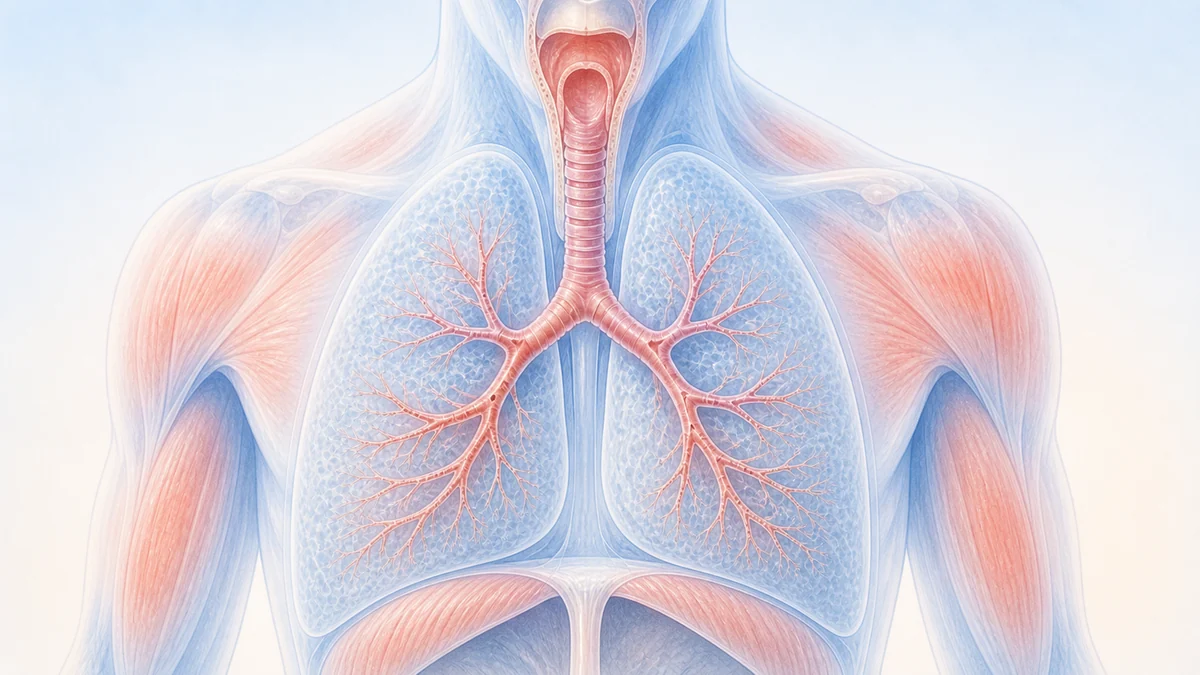 Flu: recognising the symptoms, treating it and knowing when to see a doctorA fever that shoots up within hours, aching muscles, complete exhaustion: the flu is nothing like an ordinary cold. How to recognise it, how long it lasts, how to feel better, and the warning signs that mean you should see a doctor without delay.Read the article →
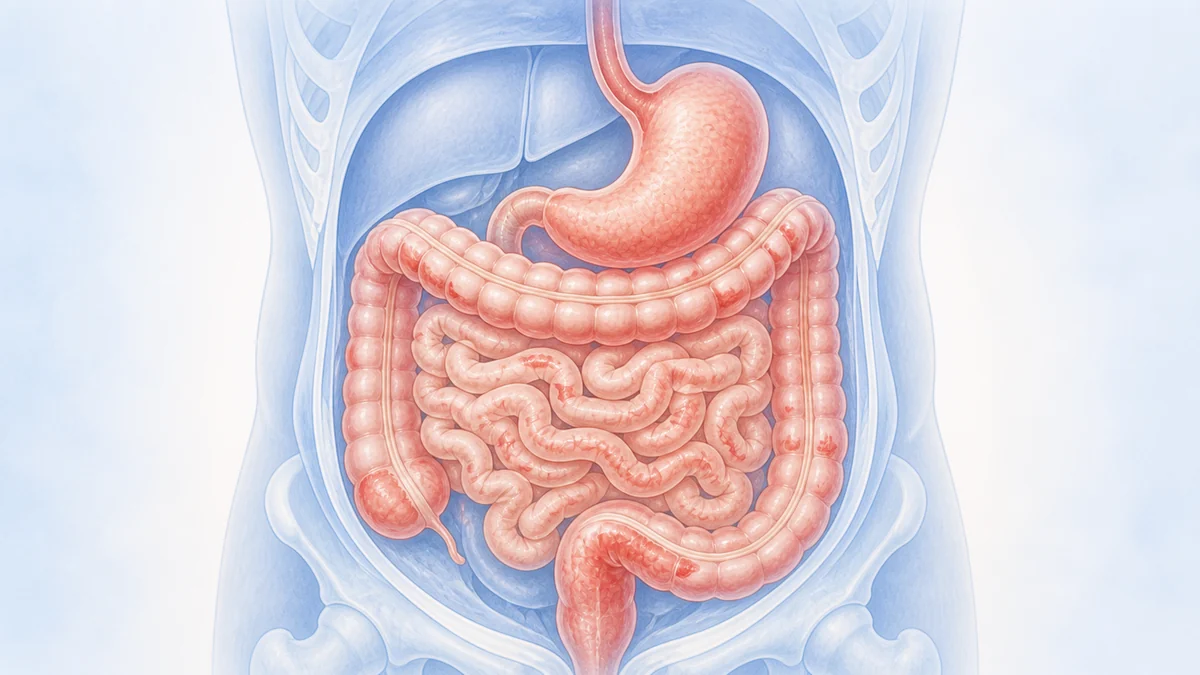 Gastroenteritis: easing symptoms, preventing dehydration and knowing when to see a doctorDiarrhoea, vomiting and cramps: gastroenteritis almost always clears up on its own within a few days. The real risk is dehydration, especially in young children and older adults. What to do at home, and the signs that mean you should see a doctor.Read the article →
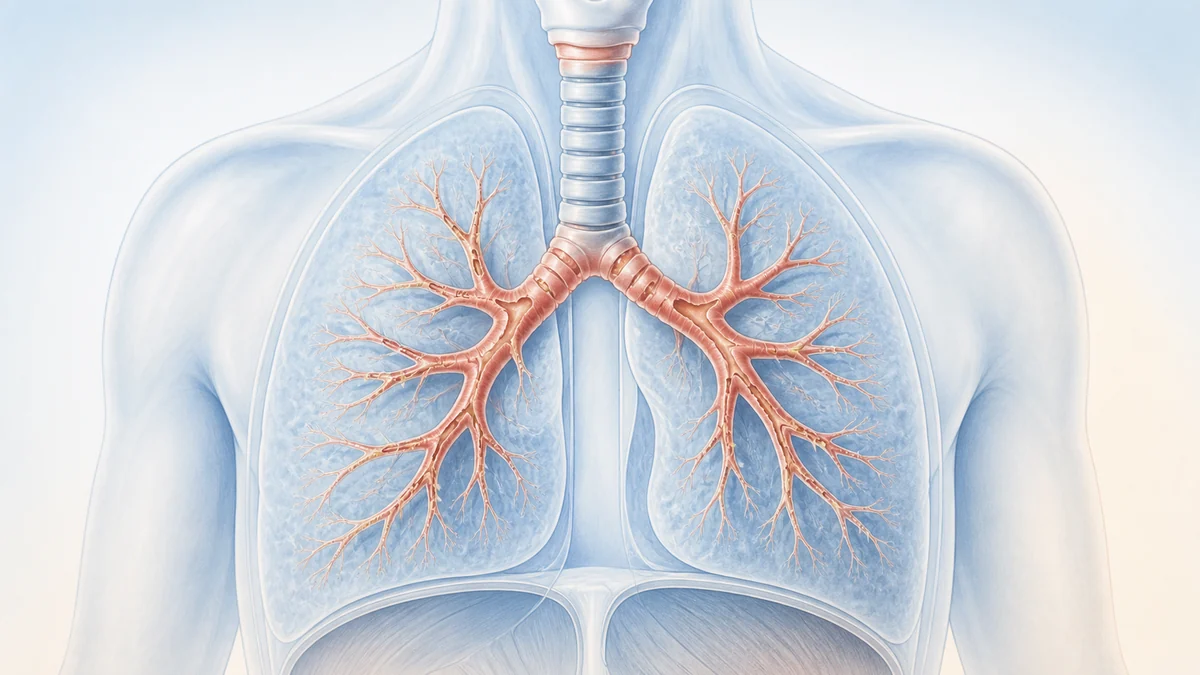 Bronchitis and a cough that lingers: what is normal and what is notAfter bronchitis a cough often takes about three weeks to go — that is normal, and it is no reason for antibiotics. But a few signs change everything: here is how to tell the difference, and when it is worth seeing a doctor.Read the article →
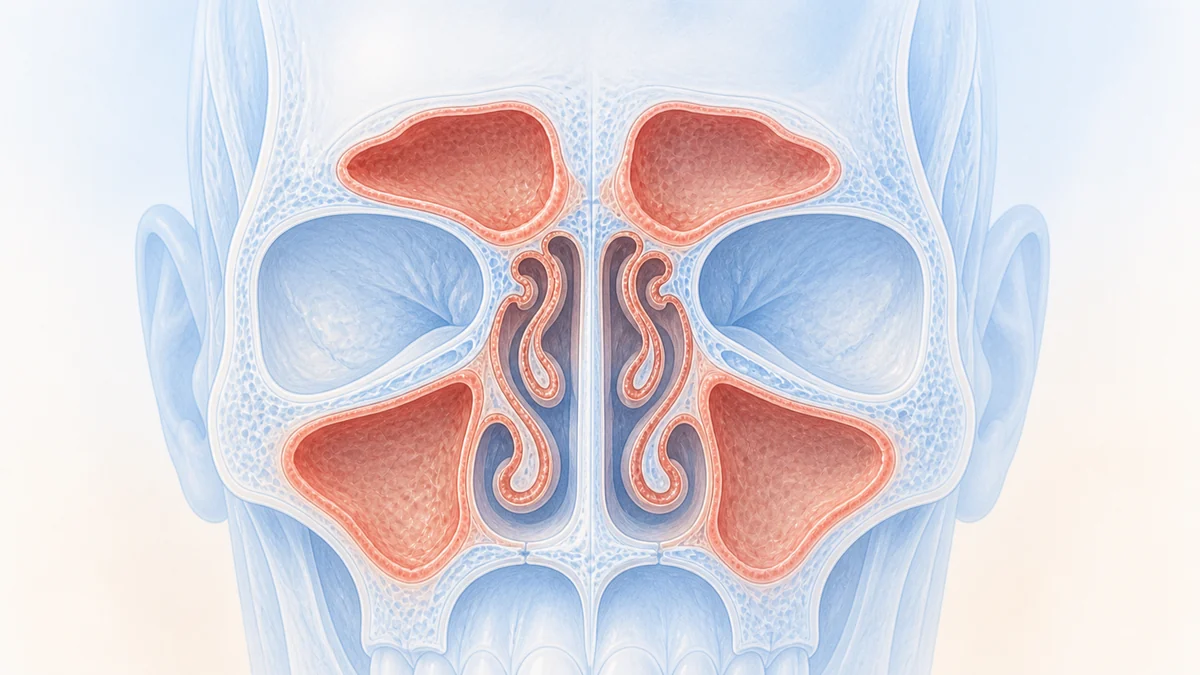 Sinusitis: how to recognise it, how to ease it, and when an antibiotic is justifiedA blocked nose, a painful face, a feeling of pressure: most sinus infections are viral and clear up on their own within about ten days. How to ease the symptoms, and the rare situations where an antibiotic — or urgent care — is needed.Read the article →
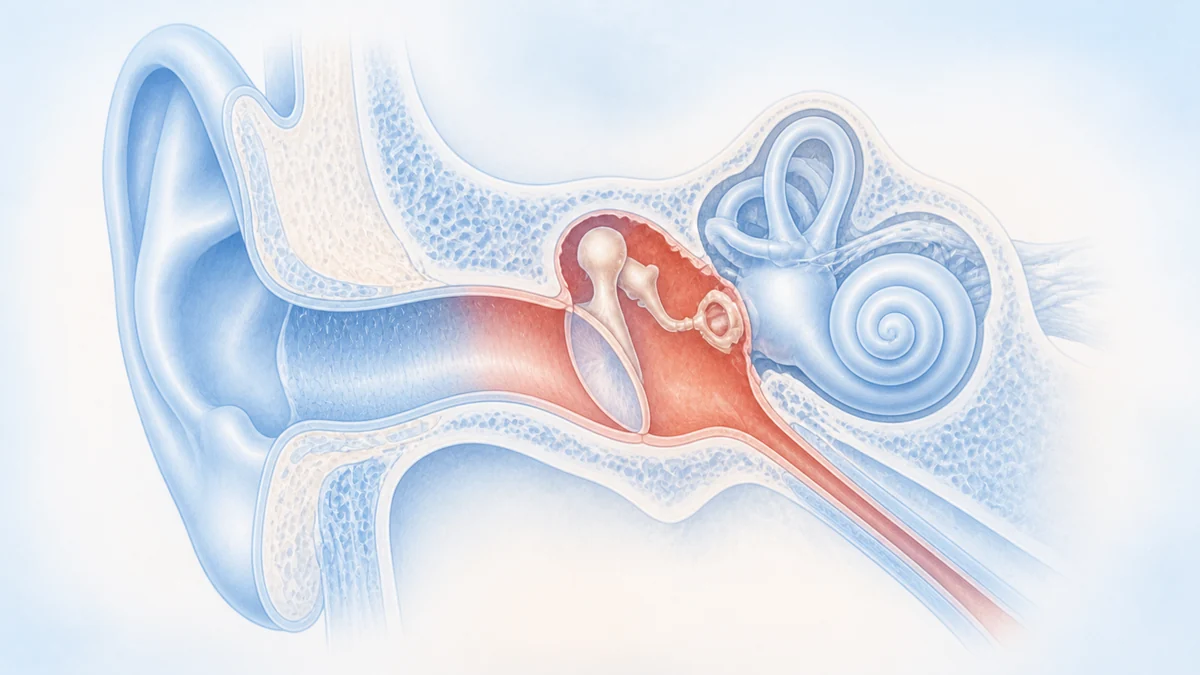 Ear Infections in Children: How to Spot Them, Ease the Pain and Know When to Call a DoctorA child who wakes up crying at night, tugs at one ear and runs a fever a few days into a cold: ear infections are one of the top reasons for seeing a doctor before the age of six. How to ease the pain, and when antibiotics really are needed.Read the article →
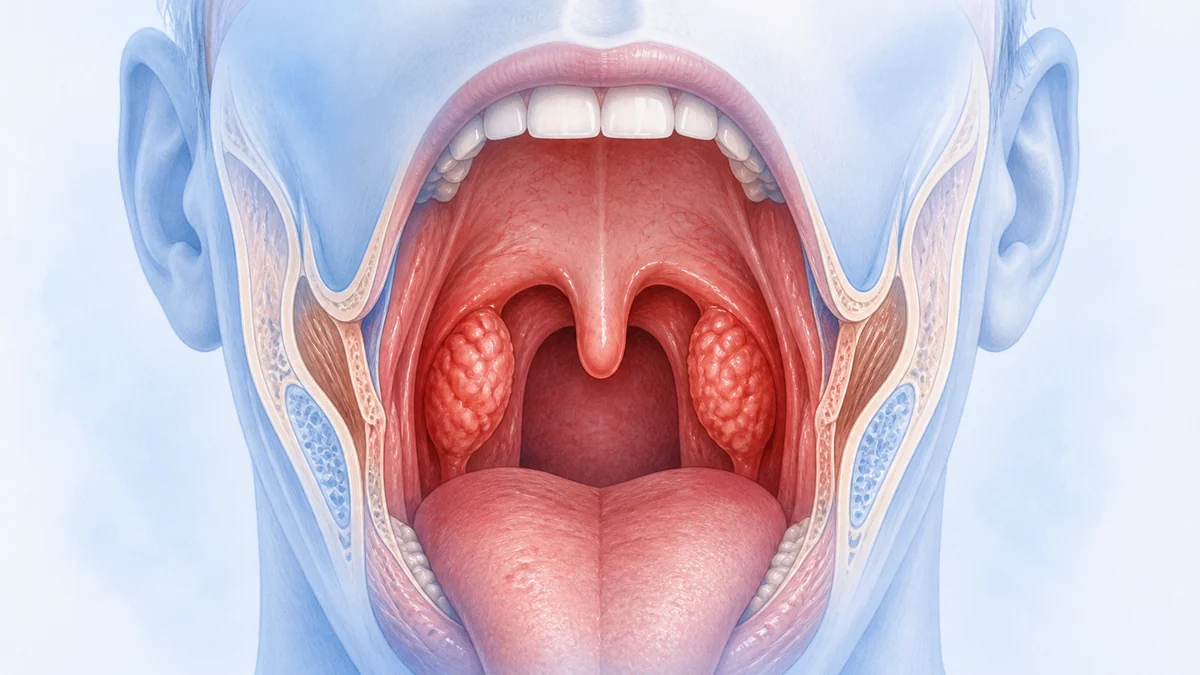 Sore Throat: How to Recognise It, Treat It and Know When to See a DoctorSore throat, fever, painful swallowing: tonsillitis is one of the most common infections. How to tell a viral sore throat from a bacterial one, how to treat it and when to see a doctor.Read the article →